Why Regular Inspections of Blower Housing Are Essential
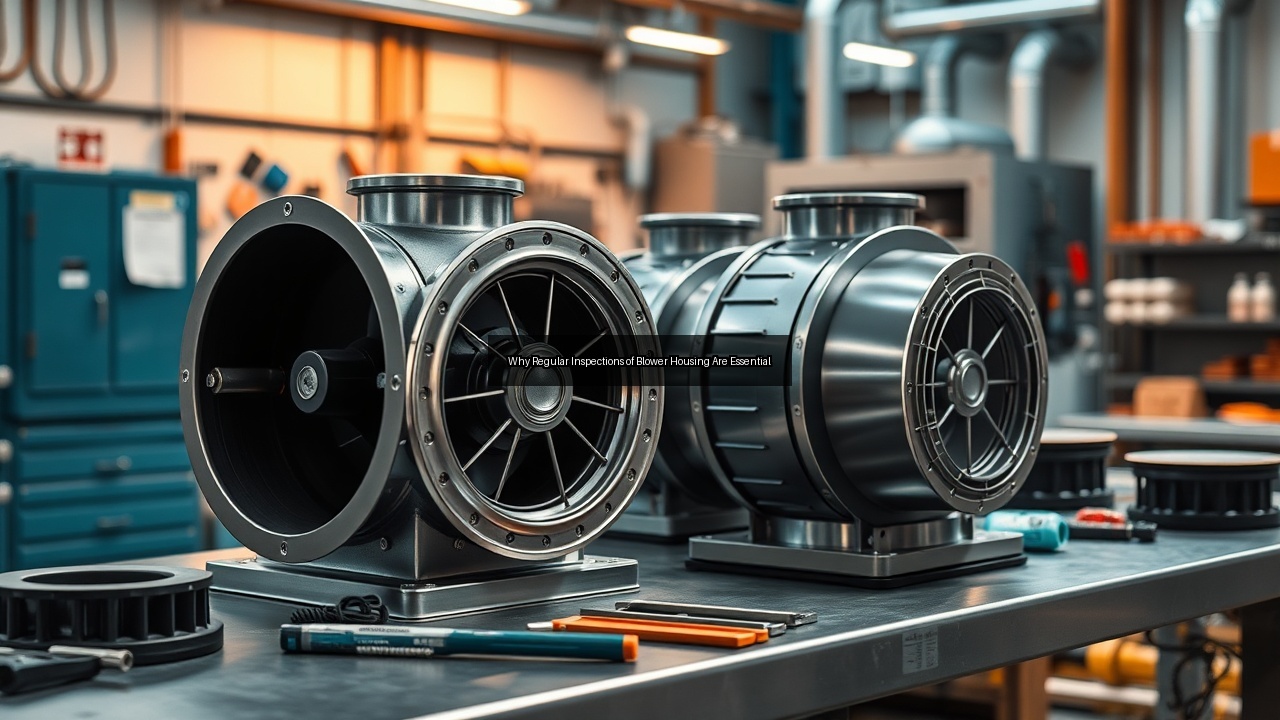
The Importance of Regular Inspections for HVAC Blower Housing
Understanding the Role of Blower Fans in HVAC Systems
Blower fans serve a critical function in HVAC systems, acting as the heartbeat that circulates air throughout residential and commercial spaces. These fans draw air into the system, push it through heating or cooling elements, and ultimately distribute conditioned air into rooms. The efficiency of blower fans directly affects the overall performance of heating systems like furnaces and cooling systems such as air conditioners. When blower fans operate optimally, they enhance indoor air quality and maintain consistent temperatures, creating a comfortable environment. Neglecting the inspection of blower housing can lead to decreased airflow, increased energy consumption, and premature wear on components, resulting in costly repairs down the line.
Common Issues in Blower Housing and Their Impact
Blower housing often encounters various issues that can impede performance. Common problems include debris accumulation, rust, and wear on essential components like ball bearings. Such issues can lead to overheating and increased strain on blower motors. If the blower housing becomes obstructed, airflow decreases, forcing the HVAC system to work harder and consume more energy. This inefficiency not only raises utility bills but also accelerates the aging process of both the furnace and air conditioner. Additionally, failure to address these issues promptly may cause unexpected breakdowns, leaving residents without heating or cooling during critical times. Regular inspections help identify these problems before they escalate, ensuring the HVAC system operates smoothly and efficiently.
How Regular Inspections Can Prevent Major Failures
Regular inspections of blower housing serve as a proactive measure against major HVAC failures. By routinely checking the condition of blower fans and associated components, homeowners can detect early signs of wear and take corrective action. This approach not only extends the lifespan of the HVAC system but also maintains optimal performance levels. Technicians often look for signs of wear, such as unusual noises, vibrations, or reduced airflow, during these inspections. Addressing minor issues during routine checks can save homeowners from the stress and expense of sudden breakdowns. In addition, a well-maintained blower housing significantly contributes to energy efficiency, reducing overall costs associated with heating and cooling.
Key Components of Blower Housing
The Functionality of Blower Motors
Blower motors are integral to the functionality of HVAC blower housing. These motors drive the blower fans, making them essential for air circulation in heating and cooling systems. Typically, HVAC systems feature two types of blower motors: PSC (Permanent Split Capacitor) and ECM (Electronically Commutated Motor). PSC motors are straightforward, providing reliable performance, while ECM motors offer enhanced efficiency and better control. Regular inspections ensure that blower motors operate within specified parameters, preventing overheating and extending their lifespan. Technicians often check motor connections and electrical components during inspections, ensuring everything functions smoothly. A well-functioning blower motor directly influences energy efficiency, reducing the overall operational costs for homeowners.
The Significance of Ball Bearings in Performance
Ball bearings play a pivotal role in the performance of blower fans within the HVAC blower housing. These components facilitate smooth rotation of the fan blades, minimizing friction and wear on the blower motor. Over time, ball bearings can wear out due to constant motion and exposure to dust and debris. When bearings fail, they can lead to increased noise levels and reduced efficiency in blower operation. Regular inspections allow HVAC professionals to detect signs of bearing wear, such as unusual sounds or vibrations, and replace them before they cause further damage. Maintaining the integrity of ball bearings ensures that blower fans operate quietly and efficiently, prolonging the life of the entire HVAC system.
Why Air Filters Matter in Blower Housing Efficiency
Air filters play a crucial role in maintaining the efficiency of HVAC blower housing. They trap dust, pollen, and other airborne particles, preventing them from entering the blower fans and other vital components. A clogged air filter can significantly impede airflow, forcing the HVAC system to work harder and consume more energy. Regular inspections should include checks on air filter conditions, ensuring they are clean and functional. Homeowners should consider replacing filters according to the manufacturer's recommendations, especially during peak usage seasons. By prioritizing air filter maintenance, homeowners not only enhance the performance of their HVAC systems but also improve indoor air quality, creating a healthier living environment.
Best Practices for Inspecting Blower Housing
Step-by-Step Inspection Process
Implementing a thorough inspection process for blower housing involves several essential steps. Begin by turning off the HVAC system to ensure safety. Next, remove the blower housing cover to access the internal components. Inspect the blower fans for signs of dirt or debris buildup, which can hinder performance. Check the condition of the blower motor and look for any unusual sounds that may indicate underlying issues. Examine ball bearings for wear and ensure they are lubricated. Assess the air filter and replace it if necessary. Finally, reassemble the blower housing and conduct a test run of the HVAC system to confirm that everything is functioning correctly. Following this step-by-step process ensures comprehensive care for the blower housing and overall HVAC system.
Tools and Equipment Needed for Effective Inspections
Equipping yourself with the right tools and equipment is vital for effective inspections of blower housing. Essential tools include a screwdriver set for removing housing covers, a multimeter for checking electrical connections, and a vacuum cleaner or compressed air to clean debris from blower fans and air filters. A blower housing assembly flashlight is invaluable for illuminating dark spaces within the blower housing. Additionally, having lubricant on hand can aid in maintaining ball bearings. For those less experienced, a checklist can help ensure no critical steps are overlooked during the inspection process. Proper tools not only streamline inspections but also enhance the accuracy and effectiveness of the maintenance tasks performed.
What to Look for: Signs of Wear and Tear
Recognizing signs of wear and tear during inspections is crucial for maintaining the performance of HVAC blower housing. Look for visible dirt or debris accumulation on blower fans, as this can indicate poor airflow and reduced efficiency. Listen for unusual sounds, such as grinding or squeaking, which may signal failing ball bearings or motors. Vibration during operation can also indicate imbalanced or damaged components. Inspect electrical connections for signs of corrosion or wear, which can lead to failures. Finally, check the condition of the air filter; if it appears dirty, replace it to ensure optimal airflow. Identifying these signs early allows for timely maintenance, preventing costly repairs and extending the lifespan of the HVAC system.
Maintaining Warranty and Performance Standards
How Regular Inspections Affect OEM Warranties
Regular inspections play a pivotal role in maintaining OEM warranties for HVAC systems. Many manufacturers stipulate that routine maintenance is essential for keeping warranties valid. Failing to conduct regular inspections or neglecting maintenance tasks can void the warranty, leaving homeowners responsible for costly repairs. Documenting inspections and maintenance activities can serve as proof of compliance with warranty requirements. By adhering to these guidelines, homeowners not only protect their investment but also ensure that any potential repairs covered by the warranty are addressed promptly and efficiently. This proactive approach minimizes the risk of unexpected expenses and maximizes the longevity of the HVAC system.
Feedback from HVAC Professionals on Inspection Frequency
HVAC professionals consistently emphasize the importance of regular inspections for blower housing and overall system performance. Feedback from industry experts often recommends scheduling inspections at least twice a year—once before the heating season and again before the cooling season. This frequency allows technicians to identify and address potential issues before they escalate. Many professionals advise that homeowners take a proactive approach to inspections, especially if they notice any changes in system behavior or efficiency. By listening to expert feedback and adhering to recommended inspection schedules, homeowners can maintain their HVAC systems in optimal condition, ensuring comfort and energy efficiency year-round.
Brand-Specific Considerations for Blower Housing Maintenance
Different HVAC brands may have specific considerations for maintaining blower housing and associated components. Each manufacturer often provides guidelines tailored to their systems, detailing recommended maintenance practices and inspection frequencies. Homeowners should familiarize themselves with these guidelines to ensure compliance and optimal performance. Additionally, some brands may utilize unique components or technologies, necessitating specialized knowledge for effective inspections. Consulting the manufacturer's documentation and working with certified technicians can help homeowners navigate brand-specific requirements effectively. By prioritizing brand-specific maintenance, homeowners can enhance the reliability and efficiency of their HVAC systems while preserving warranty coverage.
See Also
- Common Issues with Furnace Blower Housings and How to Fix Them
- The Future of Blower Housing Innovations in HVAC Technology
- Enhancing HVAC Performance through Effective Blower Housing Solutions
- The Science Behind Blower Housing Design and Airflow Dynamics
- How to Choose the Right Blower Housing for Your HVAC System