Baked Goods Manufacturing and the Importance of Reliable Valves
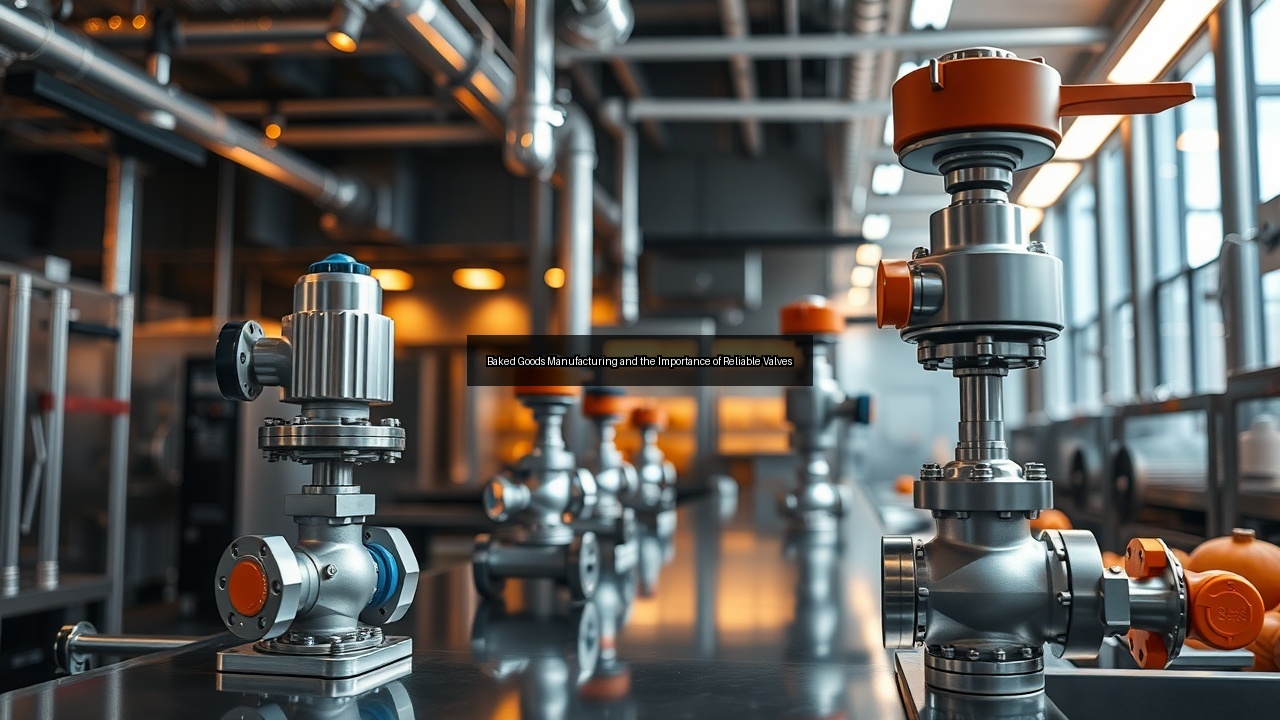
The Role of Valves in Baked Goods Manufacturing
Understanding Different Types of Valves
Valves serve as essential components in the baked goods manufacturing process, controlling the flow of ingredients and ensuring optimal production efficiency. Various types of valves are utilized in this industry, each designed for specific applications. Among the most common are control valves, which regulate the flow and pressure of liquids, gases, or steam. These valves maintain consistent conditions in different stages of production, from mixing to baking.
Another important type is the ball valve, known for its durability and reliability. Ball valves provide tight sealing and low resistance to flow, making them ideal for applications requiring quick shut-off. Additionally, sanitary valves play a critical role in food and beverage production, ensuring that all equipment meets hygiene standards. They are designed to prevent contamination, making them indispensable in the food processing industry.
Understanding these food processing valves valves' functions and applications allows manufacturers to select the right valve for their specific needs, enhancing production efficiency and product quality. Proper valve selection can significantly impact the overall reliability and safety of the baked goods manufacturing process.
Importance of Sanitary Valves in Food Processing
Sanitary valves are vital in the baked goods manufacturing sector, particularly due to the stringent hygiene standards that govern food processing. These valves are engineered to reduce the risk of contamination, thereby ensuring the safety and quality of the final product. Made from materials that resist corrosion and are easy to clean, sanitary valves prevent the growth of bacteria and other pathogens that could compromise food safety.
In the production of baked goods, ingredients such as flour, sugar, and water must flow through various processing stages. Any contamination at this stage could lead to serious health risks for consumers. Sanitary valves are designed with smooth surfaces and minimal crevices, facilitating thorough cleaning and maintenance. They are often made from stainless steel, which is non-reactive and can withstand high temperatures and pressures.
Implementing sanitary valves in baked goods manufacturing not only complies with regulatory standards but also enhances product integrity. Reliability in valve performance ensures that production processes run smoothly, reducing downtime and waste. Ultimately, sanitary valves play a crucial role in maintaining the quality and safety of baked goods while meeting industry regulations.
Applications of Control Valves in Baked Goods Production
Control valves find extensive applications in baked goods production, as they regulate the flow of ingredients and maintain necessary conditions throughout the process. For instance, during the mixing stage, control valves manage the precise amounts of water or other liquids added to the dough. This precision is crucial for achieving the desired texture and consistency of the final product.
Furthermore, control valves monitor and adjust the pressure and temperature within ovens and proofers. Maintaining stable conditions during baking is essential for uniform product quality. Fluctuations in temperature can lead to uneven baking, affecting the appearance and taste of the baked goods. By utilizing advanced control valves, manufacturers can automate these processes, ensuring consistent results across batches.
In addition to enhancing product quality, control valves contribute to energy efficiency in the production process. By optimizing the flow and usage of resources, manufacturers can reduce energy consumption and minimize operational costs. This focus on efficiency aligns with broader sustainability goals within the food processing industry, highlighting the integral role of reliable valves in modern baked goods manufacturing.
Ensuring Safety and Compliance in the Food Industry
FDA Regulations and Valve Standards
Compliance with FDA regulations is paramount in the food processing industry, particularly in baked goods manufacturing. The FDA sets stringent guidelines for equipment used in food production, including valves. These regulations ensure that all equipment maintains high hygiene and safety standards, safeguarding food processing valves consumer health.
Valves used in food processing must meet specific material and design criteria. For instance, they must be made from non-toxic, food-grade materials that resist corrosion and are easy to clean. Improperly designed valves can harbor bacteria or contaminants, leading to potential health risks. Regular inspections and maintenance of valves help ensure they remain compliant with FDA standards.
Manufacturers must stay informed about evolving regulations and standards. Failure to comply can lead to legal repercussions and damage to a company's reputation. By prioritizing FDA compliance in valve selection and maintenance, businesses in the baked goods sector can assure their customers of product safety, enhancing trust and loyalty.
The Role of Safety Relief Valves
Safety relief valves play a crucial role in the baked goods manufacturing process, protecting equipment and ensuring safe operation. These valves are designed to prevent overpressure situations, which can lead to equipment failure or hazardous conditions. In an environment where steam and gases are prevalent, safety relief valves are essential for maintaining safe working conditions.
When pressure exceeds a predetermined limit, safety relief valves automatically open to release excess pressure, preventing potential explosions or equipment damage. This functionality is critical in processes involving high temperatures and pressures, such as baking and sterilization. Implementing safety relief valves not only enhances operational safety but also extends the lifespan of processing equipment by preventing undue stress and wear.
Additionally, safety relief valves must comply with industry standards and undergo regular testing to ensure proper functionality. Manufacturers should establish a routine maintenance schedule to inspect and test these valves, ensuring they operate effectively when needed. By integrating safety relief valves into their food processing valves systems, baked goods manufacturers can significantly mitigate risks associated with food processing operations.
Check Valves: Preventing Backflow in Food Processing
Check valves are indispensable in the baked goods manufacturing process, designed to prevent backflow and maintain the integrity of the production system. These valves allow fluid to flow in one direction while blocking any reverse flow, which can lead to contamination or spoilage of ingredients.
In the food processing industry, maintaining the quality of ingredients is paramount. Backflow can introduce unwanted bacteria or other contaminants, jeopardizing the safety of the final product. Check valves help ensure that ingredients maintain their purity and quality throughout the production process. Their reliable operation is critical in systems where multiple ingredients are blended or transported through interconnected pipelines.
Furthermore, check valves contribute to operational efficiency by minimizing the risk of downtime caused by contamination issues. By preventing backflow, manufacturers can ensure a smooth and continuous flow of ingredients, reducing the likelihood of costly interruptions. Regular inspection and maintenance of check valves are essential to ensure they function correctly, thus safeguarding the quality of baked goods and maintaining compliance with industry standards.
Innovations in Automated Systems for the Beverage Industry
Integration of Automated Control Valves
The beverage industry has seen significant advancements in automated systems, particularly with the integration of automated control valves. These valves enhance efficiency and precision in beverage production, enabling manufacturers to maintain consistent quality and reduce waste. Automated control valves use electronic signals to manage flow rates and pressure, allowing for real-time adjustments that optimize production processes.
In beverage production, maintaining consistent ingredient ratios is crucial for product quality. Automated control valves facilitate precise measurements, ensuring that each batch meets the established standards. This automation minimizes the potential for human error, resulting in a more reliable production process. Additionally, automated systems enable manufacturers to monitor and control multiple processes simultaneously, enhancing overall efficiency.
Moreover, the use of automated control valves allows for greater flexibility in production. Manufacturers can easily switch between different beverage formulations without significant downtime, adapting to changing consumer preferences quickly. This adaptability is vital in a competitive market, where speed and responsiveness can determine success.
Benefits of Ball Valves in Beverage Production
Ball valves offer numerous advantages in beverage production, making them a preferred choice for many manufacturers. Known for their durability and reliability, ball valves provide excellent sealing capabilities, preventing leaks and maintaining the integrity of the production system. Their design allows for quick and easy operation, which is essential in high-volume production environments.
In beverage applications, ball valves can withstand varying pressures and temperatures, ensuring optimal performance across diverse processes. Whether controlling the flow of carbonated beverages or managing the transfer of ingredients, ball valves deliver consistent results. Their low-pressure drop ensures efficient fluid flow, contributing to overall energy savings in production.
Easy maintenance is another significant benefit of ball valves. Their simple design allows for quick disassembly and cleaning, which is crucial in the beverage industry, where hygiene standards are paramount. By incorporating ball valves into their systems, beverage manufacturers can enhance operational efficiency while ensuring compliance with safety regulations.
Fluid Control in Food Packaging
Fluid control plays a pivotal role in food packaging, particularly in the baked goods and beverage industries. Efficient fluid control systems ensure that products are packaged accurately and without contamination. Automated valves are integral to this process, providing precise control over liquid filling and sealing operations.
In the packaging of baked goods, maintaining a sterile environment is essential to prevent spoilage. Automated valves help ensure that ingredients and products remain uncontaminated during filling and sealing, preserving freshness and quality. This level of precision is particularly important in high-speed production environments, where even minor deviations can lead to significant quality issues.
Additionally, effective fluid control in packaging systems contributes to waste reduction. By optimizing filling processes and minimizing spills or overfills, manufacturers can improve their overall efficiency and sustainability. This focus on fluid control not only enhances product quality but also aligns with broader goals of reducing environmental impact in food processing.
See Also
- Maximizing Efficiency with Specialized Valves for Food Applications
- The Critical Role of Sanitary Valves in Ensuring Food Safety and Quality
- Revolutionizing Food Safety with Advanced Valves for Processing
- Innovative Valve Technologies Shaping the Future of Food Processing
- Valves in the Food Processing Industry - Trends and Innovations